What Is Premises Liability?
Premises liability is the area of law that holds property owners and occupiers responsible for injuries that occur on their property due to unsafe conditions. Under California Civil Code § 1714, property owners have a duty to exercise reasonable care in maintaining their premises — and when they fail to do so, they can be held liable for any injuries that result.
These cases go far beyond simple "slip and fall" accidents. Premises liability covers injuries caused by unsafe building conditions, inadequate maintenance, defective structures, hazardous materials, and even criminal acts that occur due to negligent security. At Taylor Solano & Associates, we've been fighting for premises liability victims since 2003, and we know how to prove that a property owner's negligence caused your injuries.
California's Duty of Care Depends on Your Status
Under California law, a property owner's legal responsibility varies based on the injured person's reason for being on the property. Understanding your status is key to determining the strength of your claim:
Types of Premises Liability Cases We Handle
We have experience with a wide range of property injury claims, including:
Slip and Fall Accidents
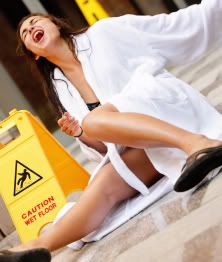
Wet floors, spilled liquids, freshly mopped surfaces, uneven flooring, loose rugs, and icy walkways that cause falls resulting in broken bones, head injuries, and back problems.
Trip and Fall Hazards
Cracked sidewalks, potholes, exposed cables and cords, uneven pavement, cluttered aisles, and poorly maintained walkways.
Stairway and Elevator Injuries
Missing handrails, broken steps, uneven risers, defective elevators, and poorly lit stairwells that lead to serious falls.
Falling Objects and Debris
Unsecured merchandise, collapsing shelving, construction debris, and improperly stored materials in retail stores, warehouses, and construction sites.
Inadequate Security
Assaults, robberies, and other criminal acts that occur on property where the owner failed to provide adequate lighting, security cameras, locks, or security personnel.
Swimming Pool Accidents
Drownings, near-drownings, and diving injuries caused by missing fences, broken gates, lack of supervision, or defective drains — particularly involving children.
Toxic Exposure
Exposure to mold, asbestos, lead paint, chemical spills, and other hazardous substances on residential or commercial property.
Construction Site Injuries
Falls, electrocution, struck-by accidents, and caught-between injuries caused by unsafe conditions on job sites where the property owner failed to ensure safety.
California's Comparative Negligence Rule Applies
Even if you were partially at fault for your injury — for example, if you were looking at your phone when you tripped — California's pure comparative negligence rule allows you to recover damages. Your recovery is reduced by your percentage of fault but never eliminated. Insurance companies aggressively argue that victims "should have been more careful." We push back on that narrative and fight to keep your fault percentage as low as possible.
What to Do After an Injury on Someone's Property
Get Medical Attention Immediately
Even seemingly minor falls can cause concussions, fractures, and soft tissue injuries that worsen over time. Prompt medical treatment creates the documentation you'll need for your claim.
Report the Incident to the Property Owner or Manager
Ask that a written incident report be filed. Get a copy for your records. If you're at a business, ask to speak with a manager and ensure the report includes the specific hazard that caused your injury.
Document the Scene
Take photos and video of the hazard that caused your injury — the wet floor, broken step, poor lighting, or whatever the condition was. If possible, photograph it before it's cleaned up or repaired. Get contact information from any witnesses.
Preserve Your Clothing and Shoes
Don't throw away or wash the clothing and shoes you were wearing. They can serve as evidence — for example, showing that your shoes had adequate traction.
Contact Taylor Solano & Associates
Property owners and their insurers move quickly to minimize claims. We can send a preservation letter to prevent surveillance footage and incident reports from being destroyed, and we'll handle all communication with the property owner's insurer on your behalf.
Compensation You May Be Entitled To
Premises liability injuries can be life-altering — especially falls that cause traumatic brain injuries, spinal cord damage, or hip fractures in older adults. We pursue every available category of damages:
We Fight for Premises Liability Victims
At Taylor Solano & Associates, we investigate every aspect of your case — from the property owner's maintenance records and prior complaints to surveillance footage and building code violations. We work to establish that the property owner knew or should have known about the dangerous condition and failed to act. Whether the injury occurred at a grocery store, apartment complex, shopping mall, restaurant, parking lot, or private residence, we have the experience to build a compelling case and get you the compensation you deserve.
We serve premises liability clients throughout the Bay Area and Central Valley, with offices in Hayward and Tracy. Your consultation is free, and you pay nothing unless we win.